The List I Actually Use
Every gear list on the internet is aspirational. They include things like "camp shoes (optional)" and "small towel" and "journal" — stuff that sounds nice in your living room but adds up to an extra two pounds you'll curse on every uphill. This is the list I actually carry on a 3-day, 2-night backpacking trip in the Pacific Northwest, with real weights measured on my kitchen scale. Total base weight: 12.8 lbs (5.8 kg). Total pack weight with food and water: approximately 22 lbs (10 kg).
I should note: this list assumes three-season conditions (June through October), temperatures between 30-75F, and the possibility of rain. For winter or alpine conditions, the list changes significantly.
Shelter System — 3 lbs 6 oz (1,540g)
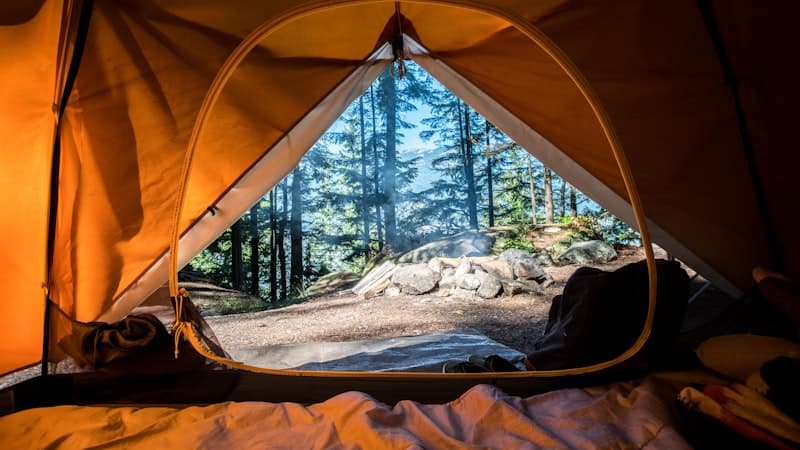
Tent: MSR Hubba Hubba NX 2 — 3 lbs 6 oz
I use the full tent even when solo because I like the space, and the vestibule stores my pack overnight to keep it dry. Some hikers shave weight here by going with a tarp or a single-wall shelter, but I've done enough rainy nights in the Cascades to appreciate a double-wall tent with a proper bathtub floor. The Hubba Hubba packs down to about the size of a Nalgene bottle laid on its side, so it doesn't hog pack space.
Sleep System — 2 lbs 1 oz (936g)
Sleeping Bag: Sea to Summit Spark SP1 — 12 oz (340g)
This is a warm-weather bag with a comfort limit around 40F/6C. For three-season Pacific Northwest use, I pair it with a thermal liner that adds about 15 degrees of warmth. The 850+ fill ULTRA-DRY down packs absurdly small — it fits in a stuff sack smaller than a grapefruit. On cooler September trips, I swap this for a 20F-rated bag, which adds about a pound.
Sleeping Pad: Therm-a-Rest NeoAir XLite — 12 oz (340g)
R-value of 4.2, which is enough for three-season ground insulation. I've tried lighter pads and cheaper pads, and I keep coming back to the XLite. It's not the most comfortable inflatable pad on the market — it's noisy and narrow — but the warmth-to-weight ratio is unmatched. I bring a small patch kit (0.3 oz) because a deflated pad at 2 AM in 35-degree weather is a genuine emergency.
Pillow: Sea to Summit Aeros Ultralight — 2.5 oz (71g)
Some people stuff a jacket into a stuff sack and call it a pillow. I tried that for years and slept terribly. The Aeros weighs basically nothing, inflates in three breaths, and dramatically improves my sleep quality. Best 2.5 ounces in my pack.
Clothing — Worn + Packed — 2 lbs 14 oz (1,304g)
Worn Hiking
Base layer top: Patagonia Capilene Cool Daily — 4 oz (113g). Fast-drying, sun-protective, and it doesn't stink as badly as other synthetics after three days. Not as odor-resistant as merino, but significantly more durable.
Hiking shorts: Generic running shorts — 5 oz (142g)
Socks: Darn Tough micro crew merino — 2.8 oz (79g). Lifetime warranty. I've sent back three pairs over the years and gotten new ones every time, no questions asked.
Trail runners: Salomon X Ultra 4 GTX — not counted in pack weight (worn on feet)
Packed Clothing
Rain shell: Patagonia Torrentshell 3L — 14 oz (394g). Not the lightest shell, not the most breathable, but at $179 it's the best value in rain jackets. The H2No membrane handles moderate rain for hours, and it packs into its own chest pocket. I'll talk more about this jacket in my rain jacket comparison.
Insulation layer: Patagonia Nano Puff Hoody — 11.9 oz (337g). This lives in my pack for camp warmth and cold mornings. The PrimaLoft Gold synthetic insulation means I don't worry about it getting damp. Not as warm as a down jacket of the same weight, but I can stuff it in the bottom of my pack without babying it.
Sleep top: Smartwool Merino 250 Crew — 8 oz (228g). This stays in a dry bag and only comes out for sleeping. The 250-weight merino is warm enough for 30-degree nights and serves as an emergency insulation layer if conditions deteriorate. Doubles as a "clean" top if I hit a town.
Extra socks: Darn Tough liner — 1.3 oz (37g). One extra pair, worn as a sleep sock and available as a backup hiking sock.
Kitchen — 14 oz (397g)
Stove: BRS-3000T — 0.9 oz (25g)
The cheapest and lightest canister stove on the market. It's not the most stable, the flame control is imprecise, and it sounds like a small jet engine. But it boils water, which is all I need it to do. I've used mine for three seasons without any issues.
Fuel: 110g Isobutane Canister — 7.1 oz (200g)
A small canister lasts me 3-4 days of twice-daily boils (morning coffee and dinner). In cooler weather I use a windscreen made from a cut-up aluminum baking sheet to improve fuel efficiency.
Pot: Toaks 750ml Titanium — 3.3 oz (93g)
Eats, drinks, and cooks. The lid doubles as a small plate. I eat directly from the pot. No separate mug, bowl, or plate needed.
Utensil: Long-handled titanium spoon — 0.6 oz (18g)
The long handle reaches the bottom of freeze-dried meal bags. A short spoon forces you to get your hand greasy reaching in.
Lighter: Mini Bic — 0.7 oz (20g)
Plus a small piece of duct tape wrapped around it, which doubles as fire starter and emergency repair tape.
Navigation & Electronics — 9 oz (255g)
Phone: Already carrying it — 0 oz additional. I use Gaia GPS with downloaded offline maps. Always downloaded before I leave cell service.
Battery bank: Nitecore NB10000 — 5.3 oz (150g). 10,000 mAh keeps my phone charged for 3-4 days with airplane mode + GPS usage.
Headlamp: Nitecore NU25 — 1 oz (28g). USB-C rechargeable. 400 lumens on max, but I use the 10-lumen mode 95% of the time. Red light mode for camp.
Map: Printed paper map of the area — 1 oz (28g). Backup for when electronics fail. They always fail eventually.
Compass: Suunto A-10 — 1.2 oz (34g). Baseline navigation backup.
Safety & Hygiene — 1 lb 2 oz (510g)
First aid kit: Custom — 4 oz (113g). Leukotape for blisters, ibuprofen, antihistamines, gauze, alcohol wipes, tweezers. I rebuild this every season and strip out anything I haven't used.
Water treatment: Sawyer Squeeze — 3 oz (85g). Inline with a CNOC Vecto dirty water bag. Gravity feed at camp, squeeze on the go. I clean the filter with the backflush syringe after every trip.
Sunscreen: Small tube — 2 oz (57g)
Bug repellent: Permethrin-treated clothing (no additional weight). I spray my hiking clothes with permethrin at the start of each season and carry a tiny dropper bottle of picaridin for exposed skin only if bugs are expected — 1 oz (28g).
Trowel: Deuce of Spades — 0.6 oz (17g). For cat holes. Follow Leave No Trace — 6-8 inches deep, 200 feet from water.
Bear bag kit: Opsak + 50 feet of line + carabiner — 3.4 oz (96g). Or a bear canister where required (adds significant weight).
Emergency: Whistle (built into pack sternum strap), emergency mylar blanket — 1.5 oz (43g).
Toilet paper: Partial roll in a ziplock — 1 oz (28g). Pack it out. Always pack it out.
The Pack Itself
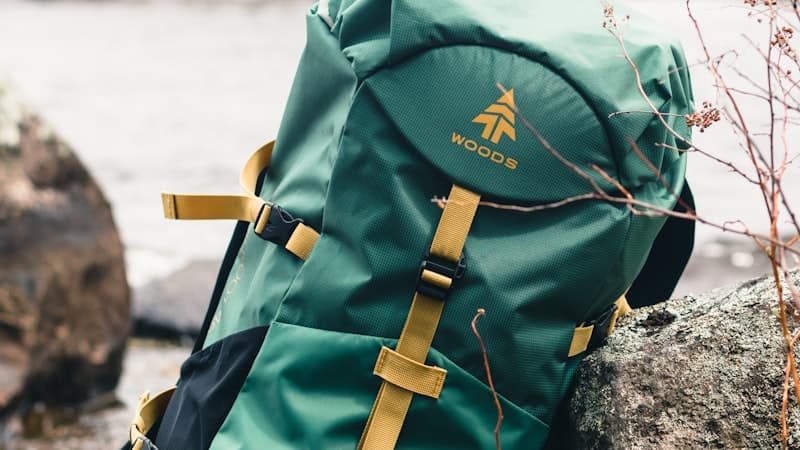
Osprey Atmos AG 65 — 4 lbs 10 oz (2,100g)
I know. The pack is the heaviest single item on this list, and ultralight hikers will cringe. But the AntiGravity suspension system carries weight so comfortably that I've done 20-mile days without hip soreness. For a base weight of 12.8 lbs, I could use a lighter frameless pack. But I like the Atmos's organization, the Stow-on-the-Go trekking pole attachment, and the integrated rain cover. If I were cutting weight more aggressively, this would be the first swap — a ULA Circuit or Gossamer Gear Mariposa would save about 2 lbs.
Total Weight Breakdown
Base weight (everything except consumables): 12.8 lbs (5.8 kg)
Food (3 days, ~1.5 lbs/day): 4.5 lbs (2.0 kg)
Water (2L carried): 4.4 lbs (2.0 kg)
Total pack weight at trailhead: ~21.7 lbs (9.8 kg)
This is firmly in the "lightweight" category (base weight under 15 lbs) without being ultralight (under 10 lbs). I could get to ultralight by swapping the pack, using a tarp shelter, and ditching a few comfort items. But at this weight, I can do 15-18 mile days comfortably, my knees don't hurt at the end of the day, and I sleep well at camp. That's the balance I'm optimizing for — not the lightest possible kit, but the lightest kit where I still enjoy being outside.